When researching solar options in Bern, it’s tempting to look only at the upfront price covering panels, inverter, and installation. But the actual expense of setting up a solar power system can be more than what’s initially quoted in brochures or online calculators.
This doesn’t mean installing solar in Bern isn’t a good move. In fact, it’s a smart choice for most homeowners. But to budget correctly, avoid unexpected costs, and have a realistic idea of savings, it’s important to recognize the less obvious expenses that often don’t show up in the first quote. If you want a local reference for was eine Solaranlage in Bern kostet, you’ll find helpful details to start with on that subject.
Below, you’ll discover the top 7 hidden costs people encounter when adding solar panels in Bern, why these costs matter, and how best to plan for them.
Why It’s Important to Consider All Solar Costs
Solar projects aren’t just about buying equipment. Installing panels involves your roof, your home’s electrical system, necessary permits, connection to the power grid, and ongoing care. Each property in Bern is unique, so what you pay in the end can vary between homes, depending on your building’s age, condition, and your chosen hardware.
Some property owners compare just the price of panels and inverters and are surprised later by extra work, official fees, or upgrades needed for their homes. While these expenses aren’t odd or unfair from a contractor’s view, they can easily be missed if the quote isn’t thorough.
Let’s uncover the most frequent hidden expenses.
1. Getting Your Roof Ready
The condition of your roof is a major factor that people often overlook.
Before installing panels, a professional will check if your roof can handle the extra weight and if it’s in good shape for a solar system expected to last 20 years or beyond. If your roof is old, damaged, or wasn’t built for this kind of load, repairs or reinforcement will be required beforehand.
This might involve:
- Removing and replacing cracked tiles or shingles
- Fixing leaks
- Strengthening beams or roof frames
- Adjusting roof layers near where panels will go
This matters because you don’t want to install an expensive solar system only to redo it after fixing your roof a few years later. Sometimes, homeowners decide it’s better to replace the whole roof first and avoid having to uninstall and reinstall the solar panels later.
2. Electrical System Improvements
Solar panels need to be safely linked to your home’s electrical system, not just mounted on your roof. This means your breaker panel, home wiring, and safety devices all have to be up to standard.
Many older houses in Bern need things like:
- New or bigger main electrical panels
- Upgraded circuit breakers
- Better, safer wiring
- Surge protection
- Extra switches for emergency cut-off
These improvements usually aren’t in the basic solar quote because they depend on your home’s condition. But they can add quite a bit to the total cost, particularly in older homes, or if you’re planning to add a battery, car charging points, or even a heat pump in the future.
3. Permits and Getting Connected
There’s a lot more to going solar than the physical work. Every project also involves paperwork and getting approval from the authorities.
Depending on your house, its location, and how big your system will be, you may need different permits, formal documents, and even grid connection fees. In Bern, all these steps can add extra time and money to your project.
Some additional charges you may see include:
- Handling and applying for permits
- Preparing technical drawings or plans
- Grid connection fees
- Charges for inspections or utility approvals
- Admin and processing costs
A reliable installer will often take care of these, but not every quote covers the same level of paperwork. Always ask exactly which approvals and processes are included before you sign a contract.
4. Safety Scaffolding and Access Tools
This part can catch many homeowners off guard.
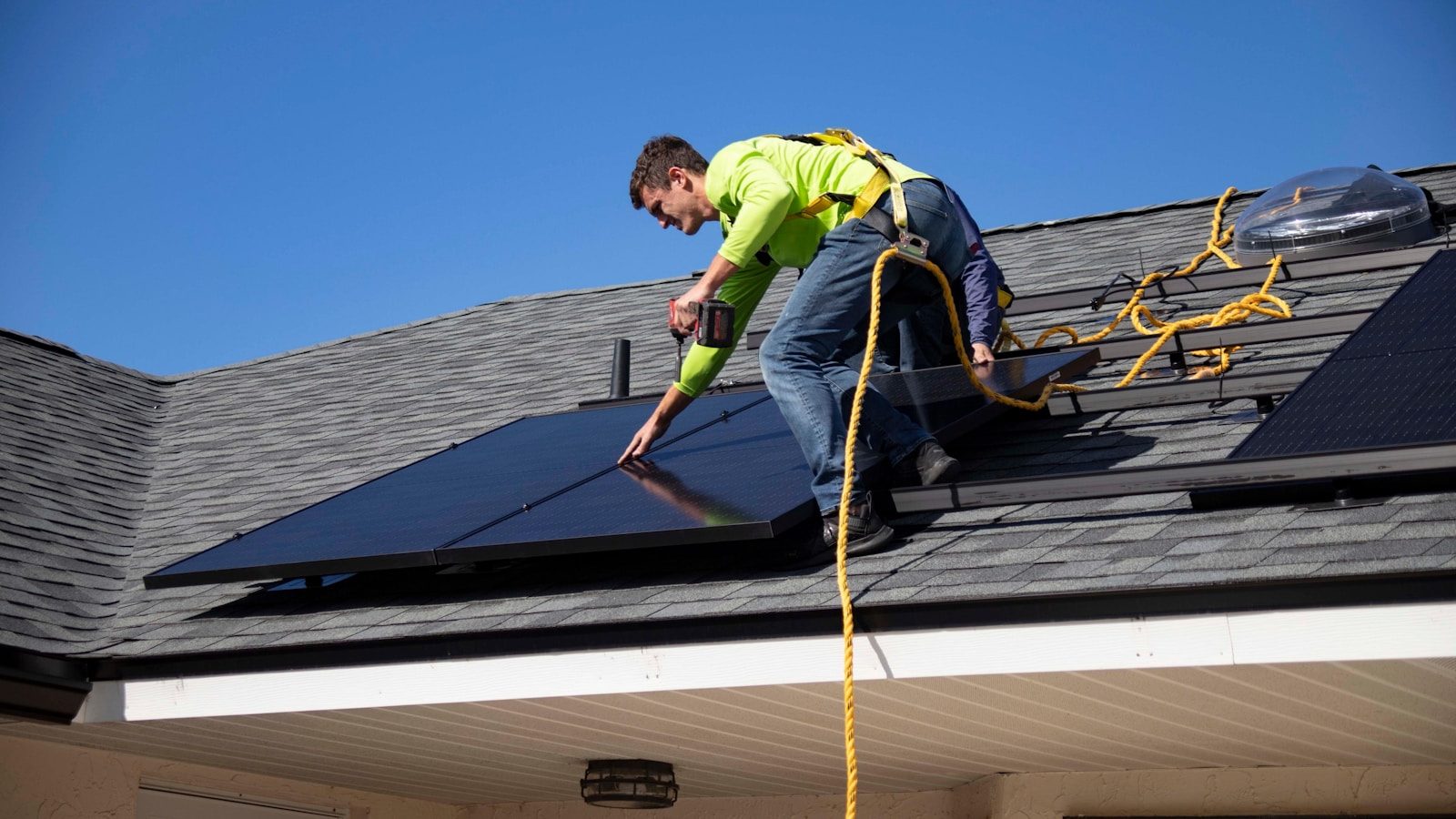
If your roof is steep, tall, or just hard to get to, workers might need scaffolding, lifts, or extra safety gear to install your solar panels. Though these are usually temporary costs, they can be significant.
Potential expenses in this area include:
- Renting and setting up scaffolding
- Using roof-edge safety rails
- Cranes or lifting machines
- Hiring more workers if access is complicated
Simple single-story homes might not see high charges here, but older or larger houses, or those with tricky roof shapes, can find this item adds a real chunk to the bill.
5. Monitoring and Smart Energy Devices
Most solar owners want to know how much power their panels are making. That’s where monitoring equipment comes in – but not all systems include these gadgets for free.
Added costs to be aware of might be:
- Upgraded mobile apps for live monitoring
- Devices that manage energy use in smart ways
- Hardware for measuring system output
- Modules to connect your system online
- Regular subscription fees for reporting
If you want to see real-time stats, monitor your battery, or fine-tune your use to save money, these tools are valuable. But if your installer hasn’t specified them, they might pop up as extras after installation starts.
6. Maintenance, Cleaning, and Routine Checks
Solar setups are generally low-maintenance, but not maintenance-free.
Dust, tree pollen, snow, bird messes, and leaves can all lower your panels’ output. In Bern’s seasons, certain weather can make things worse, especially if you have a roof that collects debris or is shaded by nearby trees.
Common maintenance fees to look out for:
- Occasional equipment inspections
- Inverter servicing or replacement
- Cleaning the panels
- Snow removal, depending on your area
- Solving any problems or checking for performance drops
While you probably won’t need frequent visits for upkeep, doing a little regular maintenance, especially if your roof is tricky or shaded, helps keep your investment worthwhile for as long as possible.
7. Future Upgrades and Equipment Replacement
Focusing only on what you pay today can be shortsighted. Solar panels are durable, but some parts might need swapping out or upgrading before the panels themselves wear out.
This often includes:
- Inverters, which aren’t usually as long-lived as the panels
- Batteries, for those who add them to store power
- Mounting gear and electrical connectors
- Extra costs to expand your system later
- Upgrading components as technology improves
Cheaper initial offers sometimes hide the fact that you’ll spend more later on replacements or upgrades if lower-quality equipment is used now. So, always think about future costs, not just today’s deal.
Tips for Avoiding Surprise Solar Costs in Bern
Thankfully, you can plan for these hidden costs if you ask the right questions and pay attention to detail.
Ask for a Detailed Quote
Insist on seeing a breakdown showing equipment, labor, admin, electrical work, roof repairs, and options.
Find Out What’s Not Included
Some attractive offers are only low because they leave out essentials like access equipment or legal approvals. Check exactly what you’re getting.
Inspect Your Roof First
Get a roof inspection before setting the solar project in motion, so you’re not caught by surprise repairs.
Weigh Warranties and Aftercare
Paying a bit more upfront is often worth it if the equipment and the service backing it up are stronger.
Think About Long-Term Value
Compare total lifetime costs, including expected repairs and upgrades, not only the price to install.
Is Solar Still a Good Investment in Bern?
Solar is still a wise choice for many homeowners in Bern. The region receives enough sunlight to make installations pay off, especially when the system matches your needs and is built with quality parts. With electricity prices on the rise, having more control over your own power is likely to become even more valuable.
However, to get the most out of your investment, you need to look beyond the sticker price and view your solar installation as a complete upgrade to your property’s energy system.
Checking out local information – such as what’s noted under was eine Solaranlage in Bern kostet – can help ensure your expectations line up with reality.
Know Before You Buy
When thinking about going solar in Bern, remember to factor in roof preparation, electric upgrades, permits, access tools, monitoring gear, long-term maintenance, and updating or replacing parts over time. Being aware of these unavoidable expenses gives you peace of mind and helps you avoid the unpleasant surprise of a final bill that’s much higher than you were expecting.
Solar can be a fantastic investment – just make sure you go in with your eyes open, check all the details, and plan for the system’s entire life. That way, your solar project will deliver savings and satisfaction for decades to come.