The world of ant-keeping has made its way from entomologists’ workbenches to the homes of hobbyists. With its rising popularity, more and more people are discovering the wonder found in these small but sophisticated insects. Getting to know how an ant colony functions can turn into a fascinating daily hobby, offering not just entertainment but also great lessons on patience and biology. Whether you’re starting your first colony or looking to deepen your understanding, this article details the vital aspects you’ll need to help your colony thrive, from choosing a species to setting up their home and keeping them healthy.
What Is Ant-Keeping?
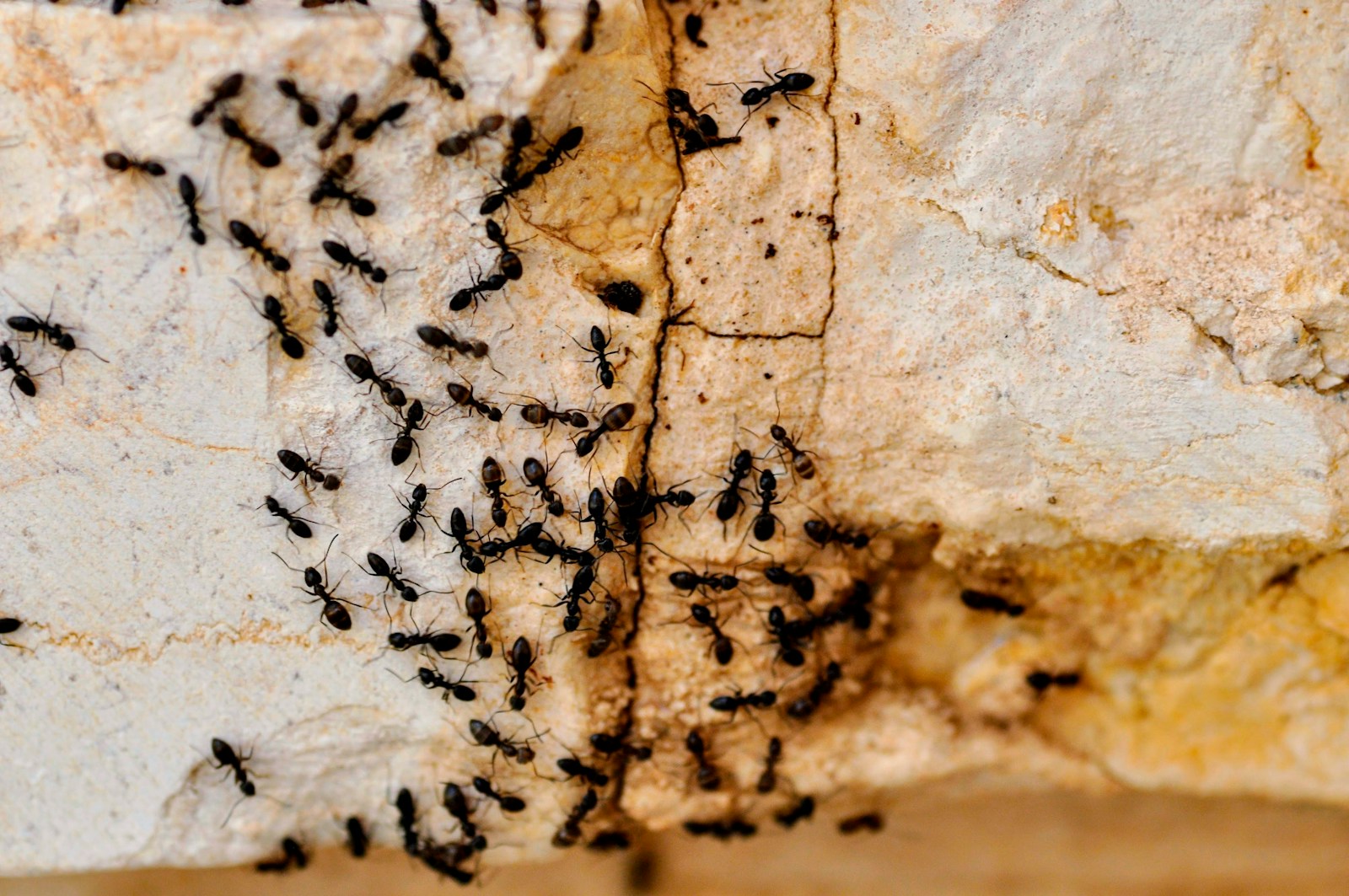
Ant-keeping simply means looking after live ants in a controlled setup, often called a formicarium or ant farm. Inspired by bug enthusiasts and scientists, this hobby has expanded as people develop better and more comfortable habitats for ants. It mixes scientific curiosity, observation, and animal care. Approachable species such as the Black Garden Ant and Yellow Meadow Ant are common among beginners, largely because they handle well in artificial habitats and are pretty durable. At its core, ant-keeping lets anyone explore life at a much smaller scale, with many comparing it to having your own slice of a rainforest in a box.
Getting Started: Key Parts of Ant-Keeping
Picking the Right Ants
Choosing the ideal species can make or break your ant-keeping experience. If you’re just beginning, start with forgiving kinds like Lasius niger or Messor barbarus—these ants are tough, adapt easily, and thrive even if you make a few mistakes early on. On the other side, ants like fire ants tend to be a handful, as they are more aggressive and require precise care, which suits someone with some ant-keeping background already.
Building the Best Ant Habitat
- Choosing a Formicarium: A suitable ant nest is one of the most important parts. Solid plaster nests are great for keeping the right moisture, while see-through acrylic layouts allow you to watch your ants but also demand you keep an eye on hygiene. Gel-based farms look cool but are risky since they often harm or stress the ants.
- Providing Water and Humidity: To keep ants active and healthy, give them reliable water. The easiest way is with a test tube filled with water closed by cotton—the ants drink safely with no chance of drowning.
- Temperature Control: Most ant species do best at 20-28°C. Heating cables or mats beneath the farm can help, but pay close attention, because too much heat can stress or harm the colony. Watch your ants—if you notice them bunching up near the heat source, it’s likely too cold elsewhere.
Meeting Nutritional Needs
Every ant colony needs both sugar and protein, just like in the wild. They get energy from things like honey or sugary syrups, but also need protein to raise their young. You can offer them fruit slices (like banana or grape) plus safe pieces of cooked meats or small insects for the protein side. Always remove any leftovers after a day or two to stop mold or bacteria from growing inside the habitat.
Modern Approaches to Ant-Keeping
People sharing their own setups online has shifted the hobby. These days, ant-keepers use tools like magnifiers or digital cameras to follow up on colony life, which makes learning exciting for all ages. Greater focus on animal care has crept in too, encouraging hobbyists never to introduce ants from unknown sources or mix colonies from different nests so as not to provoke fights. Some discoveries show, for example, that ants respond to ground vibrations, which challenges old ideas about how they communicate. Today’s hobby is as much about observation and respect as it is about building the perfect nest.
Answering Common Ant-Keeping Questions and Myths
- Can ants really hear? It turns out they sense vibrations rather than listening like humans, which they use for finding food or warning of danger.
- Should you tap on the ant farm? Not a good idea! Banging or moving the farm could panic the ants and sometimes ruins the careful structure of their tunnels.
- Can I keep every ant as a pet? In reality, no. Some kinds need unusual care, and others are too aggressive to live peacefully in home setups.
Overcoming Ant-Keeping Challenges and Enjoying Its Rewards
What Can Be Hard About Ant-Keeping
Some of the downsides include staying one step ahead on humidity, temperature, and cleaning up so nothing grows moldy or toxic for the ants. Early stages test your patience, as colonies grow slowly once the queen begins laying eggs. Dealing with escaping ants is another worry, so always check your nest for gaps.
What Makes It Worthwhile
Despite challenges, Ant-keeping advice and tips teaches everything from biology and team behavior to personal responsibility. It’s calming to watch ants move with purpose in their mini society, and newer, easier-to-use habitats keep more enthusiasts joining in all the time.
Tips for Strong Colonies and Stress-Free Ant-Keeping
- Begin With Easier Ants: Try Lasius niger or Messor barbarus before handling the fancier species.
- Test Tube Start: Keep the queen and her first workers inside a test tube setup in the beginning. Move them to their permanent home once their numbers grow.
- Practice Good Housekeeping: Clearing out old food, debris, and keeping an eye on tank cleanliness goes far to avoid mold and disease outbreaks.
- Watch Conditions: Keep a thermometer and ensure the nest stays at a steady, suitable temperature and humidity level.
- Feed Properly: Remember—give both sugary foods and proteins, but also tidy up promptly to prevent unhealthy build-up and pests.
- Keep Colonies Separate: Never mix colonies or introduce new ants from outside, as this often leads to destructive fights.
- Pay Attention Daily: Watch the ants for any signs of unusual or stressed behavior, which helps spot problems early.
- Be Patient: Progress is slow at first, but colony development is incredibly rewarding for those who stick with it.
Ant-keeping opens your eyes to the small wonders of nature—tiny architects building vast underground worlds right under your roof. All it calls for is some mindful care, a bit of daily observation, and a willingness to learn alongside your ants. Following these tips and strategies, there’s no doubt your ants will thrive under your watch. Join the ant-keeping community and see for yourself why people across the globe are fascinated by these organized and resilient insects. For step-by-step advice and a welcoming community, check out specialized blogs and forums dedicated to ant care.
Ready to watch your own ant society come alive? With care, commitment, and curiosity, you’re on the path to a successful, buzzing colony.