Picture a massive machine press, weighing 10 tonnes, gliding silently above a busy shop floor. What holds this heavy equipment on its path? Sometimes, it’s only a few tough steel loops called eyebolts that stand between performance and disaster. Though they might seem simple on the surface, eyebolts have advanced far beyond their humble beginnings. Today, they are trusted tools that bring increased safety and efficiency to a UK manufacturing industry currently worth around £200 billion. This article goes in-depth into the vital role eyebolts play, explores the best types to use, highlights key safety concerns, and looks towards innovations for the future. It’s a helpful read for engineers, foremen, safety professionals, and anyone interested in how to keep factory floors ticking safely and smoothly.
Uncovering the Eyebolt
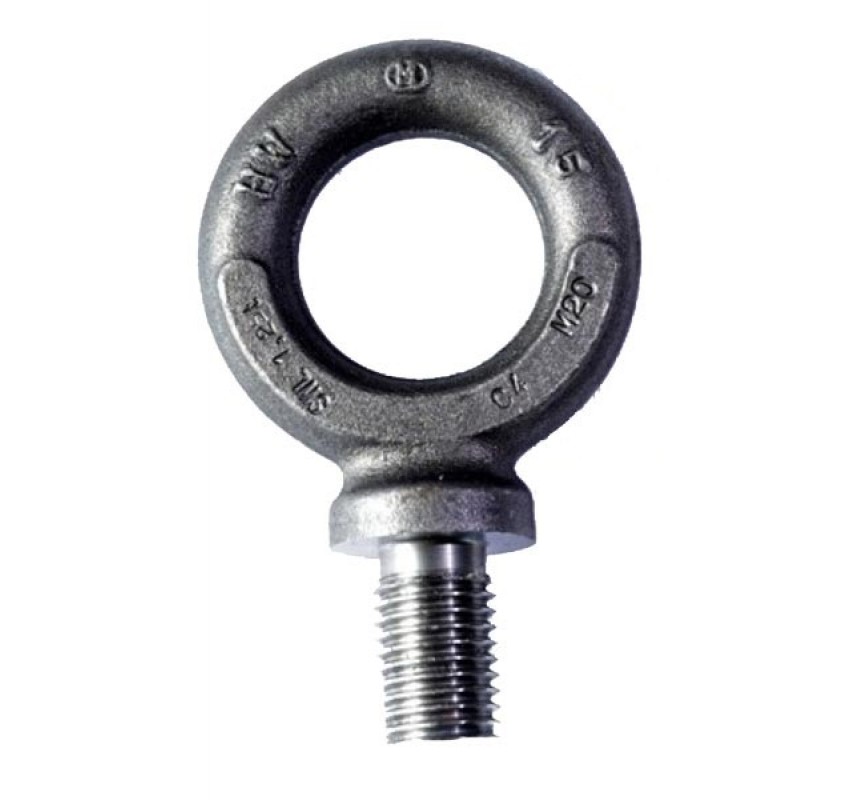
An eyebolt is fundamentally a circular loop or “eye” attached atop a threaded metal shaft. Its purpose is mostly for lifting, towing, or securing heavy objects with rigging equipment. Typically made from sturdy materials like carbon steel, alloy steel, or stainless steel, modern eyebolts have come a long way since their basics were established in the 1800s by skilled metalworkers. These days, strict standards and guidelines control their production – so you’ll see models crafted to official specifications, built to survive heavy usage and sudden shock loads often found in demanding industrial environments.
Types of Eyebolts Spot-On for Factories
Different lifting jobs call for different eyebolt designs. Generally, you’ll find two main categories: fixed eyebolts and swivel eyebolts.
Fixed eyebolts (such as the classic collared kind) are best for vertical, straight lifts. But they lose much of their safe working capacity if you pull at an angle, which sometimes limits where and how you use them on the shop floor. On the other hand, swivel eyebolts can rotate smoothly to line up with whatever direction the sling is pulling from. This makes them perfect for multi-directional load handling, an everyday event in large factories.
Corrosion-resistant types, like stainless steel eyebolts, often appear in factories dealing with chemicals or water. Meanwhile, manufacturers produce models with very thick threads that can handle huge loads – some rated to support over 100 tonnes per bolt. Here’s a brief comparison table for a clearer view of the options:
| Type | Typical Use | Load Limit Example | Best Angle Range |
|---|---|---|---|
| Fixed Collar | Vertical, inline lifting | Up to 3.25 tonnes | 0-5° |
| Swivel Hoist Ring | Flexible/directional pulling | Up to 12 tonnes+ | 0-90° |
| Shoulder Eyebolt | Large machines and moving | Up to 125 tonnes | Up to 45° |
Eyebolts at Work – Where Are They Used in UK Industry?
Step onto any British production line—be it in an automobile assembly plant, a foundry, or a warehouse—and you’ll spot eyebolts working above machinery and operators alike. They’re indispensable for most types of lifting and moving, day in, day out. In vehicle plants, eyebolts help lift assembly robots and line machinery. In heavy industries such as steel, they hoist dies, motors, and batteries. Their threaded shanks screw directly into secure mounting points, and riggers attach shackles and slings to the eyes, ready for cranes or winches to take the load.
Warehouses use them too, attaching eyebolts to structural beams for cargo hoists or even to the bases of fixed conveyor equipment. Their adaptability is impressive: not only do single eyebolts support huge presses, but in some projects, several are combined to share out extremely heavy loads across different points.
Today, many factories are welcoming more sophisticated, RFID-equipped eyebolt designs that can be digitally inspected and logged, making it easier for employers to keep up with strict safety regulations.
Common Challenges of Using Eyebolts in Factories
Despite being rugged, eyebolts are not immune to misuse or risk. One common hazard is what’s called “side-loading”—where the pull comes from an angle instead of straight on—which many fixed types can’t handle without a big reduction in their load rating. Only forged eyebolts can be trusted for heavy factory work, not the bent-wire versions occasionally found online. Another concern arises with cheaper, non-marked imports; these often sidestep safety checks and could lead to accidents.
Corrosion also shortens the life of normal carbon steel eyebolts, especially in damp or chemical-heavy factory settings. Additionally, it remains important to understand that not every eyebolt suits every lifting task; following marking standards and choosing the right grade matters. Surprising to some, special IoT-connected (Internet-of-Things) eyebolts now allow plant managers to trace the full usage cycle of each bolt, making maintenance easier and safer.
Tips for Eyebolt Installation and Operation
Managing risk while boosting productivity means using eyebolts the right way, every time. Here are thirty practical steps:
- First, pick the exact model that matches your planned load and lifting angles (for example, an M48 eyebolt would suit lifting machines around 20 tonnes).
- Before using, carefully inspect each bolt—look for bending, cracks, rusty threads, or signs of strain.
- Screw into a clean mounting hole, ideally tapped to match, torquing to the correct level as recommended by the manufacturer. Only angular loads need shoulder eyebolts— otherwise, use collar types for straight lifts.
- When lifting, attach bow-type shackles rather than connecting chains or hooks directly onto the eyebolt’s eye.
- Always de-rate load capacity for uneven lifts or mystery loads, usually by about 20% to be safe.
- Schedule regular checks and thorough examinations as the UK’s LOLER standards require (typically every 6–12 months).
Reputable suppliers, like major safety and rigging companies throughout the UK, offer official metric and imperial sizes. Swivel types have become more popular, offering advanced capabilities over older models that had strict limitations on load and usage angle.
Eyebolts as Unsung Heroes of Industry
Just as heartbeats keep the human body alive, eyebolts provide much-needed reliability and safety that fuel today’s busy factories. By sticking to accredited suppliers, staying current with new technology, and never letting rigging practices grow lazy, safety officers and engineers can ensure uninterrupted production lines.
Thinking about improving your setup? Get specialist advice for your workplace so you can start lifting smarter and safer—eyebolts might appear humble, but their contribution to the nation’s productive strength is simply immense.