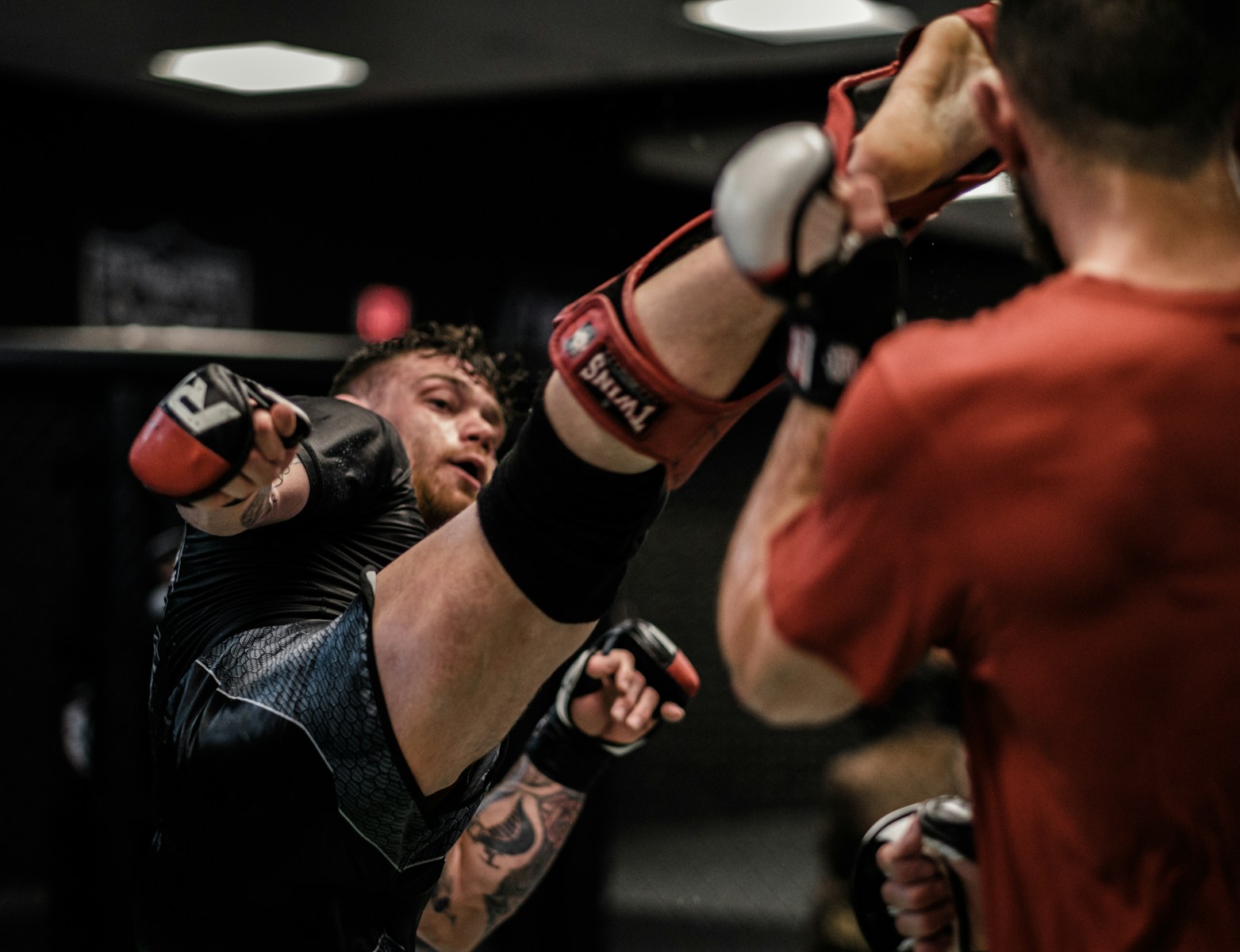
The science that makes self defense training effective is based on several different fields, rather than just knowing how to throw a punch or block an attack. To really prepare people to protect themselves, a combination of physical movement, psychological principles, and emotional regulation is required. This post takes a closer look at the important ideas that support self defense training and explains how these methods actually help in real-life situations. This blend of strategies is inspired by programs such as those from the Center for Violence Prevention and Self Defense Training, which mix physical techniques with emotional and mental skills for complete self protection.
How Physical Mechanics Work in Self Defense
At its core, self defense training depends a lot on basic body movements and natural reflexes. When someone faces sudden danger, the finer motor skills—small, precise movements—tend to decrease dramatically because of stress. That’s why most well-designed self defense routines focus on big, straightforward moves that can be repeated often and performed even under pressure. These moves are usually aimed at sensitive spots like the eyes, throat, or joints that can affect a person’s ability to see, breathe, or move. All of these approaches rely on using the body’s leverage and mechanics to move strongly but with minimal energy used.
Martial arts styles such as Wing Chun display these principles by teaching efficient, direct movements and simultaneous defense and attack. These methods don’t depend on brute strength. Instead, they highlight the smart use of angles, body position, and quick responses to turn the tables on bigger or stronger opponents. By focusing on science and simplicity, such training can suit people of nearly any size, age, or physical skill level.
Why Emotional Intelligence Matters
Beyond the physical moves, reacting effectively in a dangerous moment starts with controlling your emotional states. This means being aware of your own fear or anger and not letting panic take over. Training your emotional intelligence allows you to stay focused, make better decisions in split seconds, and avoid freezing when things turn hostile. In dangerous moments, being overly aggressive or totally paralyzed by fear can put you in more danger.
Good self defense programs also teach students how to tune into the mood and body language of someone who is threatening them. If you learn how to spot warning signs before an attack, you can use calming words or positioning to try to prevent conflict without needing to fight at all. Instructors help students build skills for keeping their temper, standing firm, and using clear body language to discourage attackers. With these tools, a person is better able to pick up on threats early and control a situation before things turn violent.
Crisis Intervention Skills and Staying Aware
Another part of smart self defense is being able to act in a crisis, both solo and as part of a group. When individuals train for emergencies, their reactions get faster and more logical, allowing them to make safer choices. Crisis intervention training may also teach teamwork and clear communication to help protect others during chaotic events.
Situational awareness, or being constantly alert to what’s happening around you, is a basic principle for avoiding trouble. This means not only watching for odd behaviors or signs of danger, but also knowing when it’s smarter to remove yourself from a volatile situation. Training sessions might use role-play scenarios to help students get used to responding calmly and sticking to their plan even when adrenaline is high. Practicing responses makes reacting in real life much easier and reduces the risk of making costly mistakes.
Bringing It All Together: The Complete Package
What sets modern self defense programs apart is the way they bring the physical, emotional, and psychological together. It’s not enough just to teach someone how to strike or escape—a real-world situation is complicated and often messy. Effective training makes sure that people can protect themselves, but also keep their nerve, stay focused, and communicate their intentions to avoid or limit conflict.
Current self defense classes reflect this by including mental training along with physical skills. Positive mindset, confidence in setting boundaries, and using assertive posture are just as important as knowing a handful of powerful moves. Each part of training is designed to fit the reality of violent encounters, giving people clarity and calmness as well as the skills to prevail if things do turn physical.
At the end of the day, the most effective self defense isn’t about being the strongest or knowing the most flashy moves. It’s about using well-tested physical actions together with a calm and thoughtful mind. Schools like the Center for Violence Prevention and Self Defense Training show that mixing physical skills with emotional awareness prepares people to deal with danger in a way that’s realistic and reliable. When you can handle your fear, notice trouble before it happens, and know how to defend yourself if you must, you create a powerful system that helps keep you and those around you safe.