In Switzerland, every wall renovation project is influenced by the country’s unique and varied climate. With landscapes ranging from lowland cities to snowy Alpine villages, the renovation approach isn’t just about adding insulation – it’s about making climate-smart decisions. Choices like where to add insulation, what materials to use, and how to manage moisture all play a big role in creating energy-efficient, healthy buildings. When you renovate in Switzerland, you have to consider heat loss during long winters, moisture levels from rain or snow, and the durability of materials over time.
Renovators and homeowners quickly learn that a one-size-fits-all approach doesn’t work. What keeps homes comfortable in a lakeside town might not be enough for a mountain chalet. Walls face different weather: driving rain, deep snow, or just mild breezes. Because of this, the most successful renovations focus on local conditions and look for solutions that reduce energy, protect the building, and avoid the risk of moisture damage or repair costs down the line.
Swiss Climate Drives Unique Renovation Decisions
There are three main climate realities that shape renovation in Switzerland.
- The first is cold weather. Harsh winters mean a building can lose a lot of heat through poorly insulated walls.
- The second is moisture. Keeping walls dry is crucial for warmth and for the long-term health of a building. If a wall traps moisture, it can lead to mold or rot.
- The third is regional variety. Each Swiss region – whether exposed to frequent rain, lots of wind, or extreme temperature swings – demands its own customized renovation approach.
Traditional buildings, especially thick-walled stone or brick ones, present unique challenges. Improving their energy use without creating new moisture problems takes careful planning.
Exterior or Interior Insulation: Weighing the Options
For Swiss homeowners, a big decision is whether to insulate their walls from the outside or the inside. Exterior insulation is usually best for saving energy because it wraps the whole building and stops cold spots. When paired with other energy upgrades, it can really lower heating costs and make the whole wall stay warm.
However, there are many cases where you can’t touch the outside – for example, if the building is historic, shares walls with neighbors, or local regulations prevent major changes. In these situations, interior insulation is often the answer. But it must be designed so the wall can still “breathe” and moisture isn’t trapped, which would cause damage over time.
That’s why the smallest details, like the types of material and method of installation, matter so much.
Choosing Materials That Make Sense for Switzerland
These days, renovation in Switzerland is about more than just energy savings. People want walls that last, are good for the environment, and can be reused, recycled, or are made from natural sources. The Swiss Federal Office for the Environment encourages choosing materials that lower emissions during their entire lifespan – not just during manufacturing, but in future repairs and recycling as well.
Today’s best renovations weigh several factors:
- How much energy is used to produce the materials
- How easily materials can be recycled or reused
- How well they manage moisture
- The comfort they provide inside the house
- How long they are likely to last
Because the Swiss construction sector is a major influencer of national climate targets, material choice is a key piece of the puzzle.
The Special Role of Interior Plaster Systems
Plaster isn’t just a pretty finishing touch. Especially in Switzerland, the right plaster can balance moisture, help the wall breathe, and increase indoor comfort. This is why mineral-based or earth-based plasters are becoming more common in energy-efficient renovations.
Recent research has shown that using earth plasters with wall heating can have lower environmental impact and costs than traditional radiator systems. Earth is locally available, requires little processing, and offers good thermal performance. While not every project needs earth plaster, this example shows how Switzerland is moving toward smart, functional materials with long-term benefits.
Why Moisture Management Is Essential
Moisture is often invisible, but it can cause big problems. When insulation is added to a wall, the inside of the wall can get colder, and water vapor might settle inside. This can lead to mold or weaken the insulation.
Good renovation always considers:
- How water vapor moves through the wall
- Whether the wall can dry out properly
- If new materials work well with old ones
- Where cold bridges could occur
- How the wall’s location and exposure affect it
Older buildings, with their solid walls, behave differently than modern walls with cavities. If renovations block the wall from drying naturally, problems can build up inside. Because of this, Swiss renovators are careful to use systems that let the wall “breathe” and avoid quick fixes that might make things worse.
Climate-Friendly Renovation Is a Bigger Picture
In Switzerland, renovation is about more than just saving energy. The government now links renovation to broader environmental goals, like reducing waste, adding green spaces on roofs and facades, and picking ecological insulation. The idea is to make homes more comfortable, lower emissions, extend building life, lower waste, and keep the country’s beautiful buildings looking great for years.
All of these goals matter in a country where homes are built to last and renovation often balances modern needs with the value of history.
What Solid Renovation Means (and Looks Like)
Swiss building studies show that strong renovation prepares a home for an unpredictable future. For example, thick, natural insulation on outside walls – paired with switching away from oil or gas heating – can cut emissions drastically. Sometimes, for budget or architectural reasons, a thinner exterior insulation with traditional materials is chosen, which might use a bit more energy but is more practical for the building’s needs.
The best result really depends on what the homeowner values most:
- Is it saving the most energy?
- Reducing the home’s environmental impact?
- Protecting the historic look?
- Working within a set budget?
- Or keeping renovation simple and doable?
In most cases, Swiss renovators try to balance these priorities rather than focusing on just one.
When Interior Renovation Makes the Most Sense
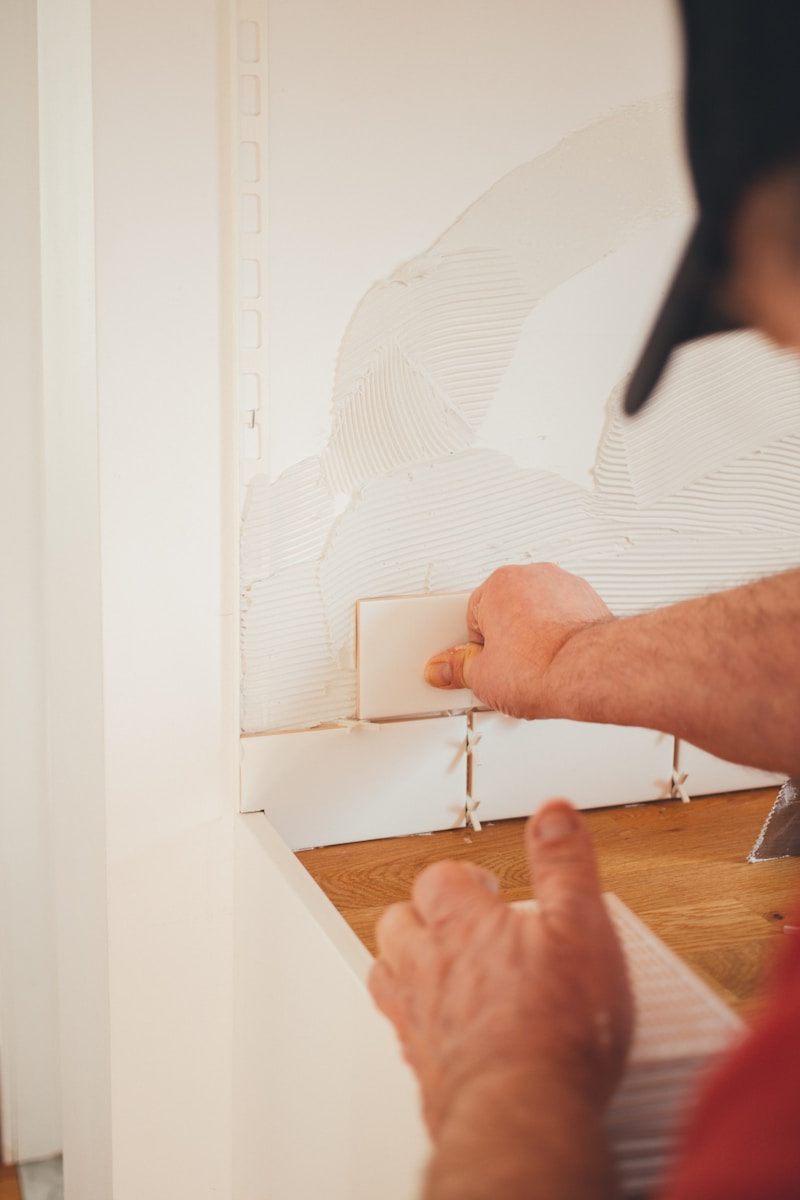
Interior wall renovation is necessary when you can’t change the facade. Here, every layer of the wall needs to be designed so it remains efficient and allows moisture to escape. The right combination of breathable plasters, interior insulation, and careful installation can deliver great results.
Specialists play a key role in these situations. For example, the craft of Innenverputz erneuern und Wände sanieren is essential in Swiss renovations, because a quality interior plaster finish affects everything from wall health to how a room feels. If you want to see more about this process and its importance, visit Innenverputz erneuern und Wände sanieren for practical insight on how quality interior plaster underpins successful wall upgrades.
Questions Swiss Homeowners Should Ask
Before starting, homeowners should think carefully about their building:
- Can the outside be changed, or is it protected?
- Are the walls solid brick, stone, or something else?
- How much rain, wind, or snow does the home see?
- Are quick comfort gains or long-term carbon savings more important?
- Will the new layers allow the wall to stay dry?
- Will the heating system get an upgrade at the same time?
Wall renovation is much more than just sticking on insulation – it’s about planning for the whole building’s future.
Looking Ahead: Swiss Climate, Comfort, and Lasting Value
With Swiss weather, new standards, and rising eco-expectations, wall renovation is more strategic than ever. The best choices take account of local conditions, make sure the wall can stay dry, and use materials that will stand the test of time.
For many Swiss homes, this means blending insulation with smart interior finishes, good moisture management, and better heating systems. In other cases, preserving the outside while making high-quality upgrades from inside is the way forward.
No matter the approach, one thing stays true: in Switzerland, the most successful wall renovations are designed for the climate, not just for today’s trends.